
For international B2B brands in the outdoor, travel, and tech-wear sectors, planning a collection launch hinges on one critical question: “How long will production actually take?”
If you ask a generic factory for a quote, they might carelessly reply, “30 days!” However, any experienced founder knows that theoretical factory estimates rarely match reality. When crafting complex, functional carry equipment—like modular MOLLE packs, weather-sealed tech-wear bags, or high-durability travel gear—the real production timeline involves much more than just sewing time.
For startups and growing labels in the US, Europe, Australia, Japan, and Korea, the biggest source of anxiety during this timeline isn’t just a missed delivery date. It’s the fear of technical mistakes, improper pattern grading, or structural failures discovered right at the deadline. A single miscalculated seam allowance or incorrectly calibrated bar-tack can ruin an entire run of 1,000 bags.
As a premier custom tactical gear supplier, Mimicry Sai Gon breaks down the realistic timeline for producing 1,000 technical bags, reveals where technical errors usually happen, and shows how expert product development prevents costly delays.
The Realistic 1,000-Bag Production Timeline Breakdown
To produce 1,000 high-performance bags without technical flaws, expect a total timeline of 10 to 16 weeks from signed tech pack to final shipment. Here is how that time is actually spent across the four major phases:
Phase 1: Pre-Production, Pattern Engineering & Sampling (3–4 Weeks)
Many brands rush this stage to “save time”—and it almost always backfires. Pre-production is where your product’s structural integrity is forged.
Building a technical bag is more akin to engineering architecture than simple garment assembly. A single tactical pack can contain over 80 individual pattern pieces, specialized foam paddings, webbings, and heavy-duty hardware.
Why Technical Errors Happen Here:
-
Flawed Pattern Grading: Ergonomic shoulder straps look fine in 3D renders but fail to distribute load properly across different body types.
-
Incompatible Materials: Combining stretch fabrics with rigid Cordura® without adjusting seam tolerances causes warping.
At Mimicry Sai Gon, we eliminate guesswork during pre-production. Before mass cutting begins, our engineering team creates precise physical prototypes, performs load-bearing stress tests, and refines the pattern until zero defects remain.
Phase 2: Material Sourcing, Custom Trims & Testing (4–6 Weeks)
When founders ask why production takes months, the answer usually lies in raw material lead times.
Technical bags require specialized inputs: 500D/1000D CORDURA®, X-Pac laminates, waterproof YKK® AquaGuard zippers, and custom ITW Nexus buckles. High-performance textiles are rarely kept in stock at factory warehouses; they are manufactured to order by specialized mills.
Ensuring International Quality Standards:
For brands selling globally, raw materials must comply with international safety and durability standards. High-grade materials undergo rigorous testing according to standards set by global organizations like ISO for tensile strength, colorfastness, and water resistance.
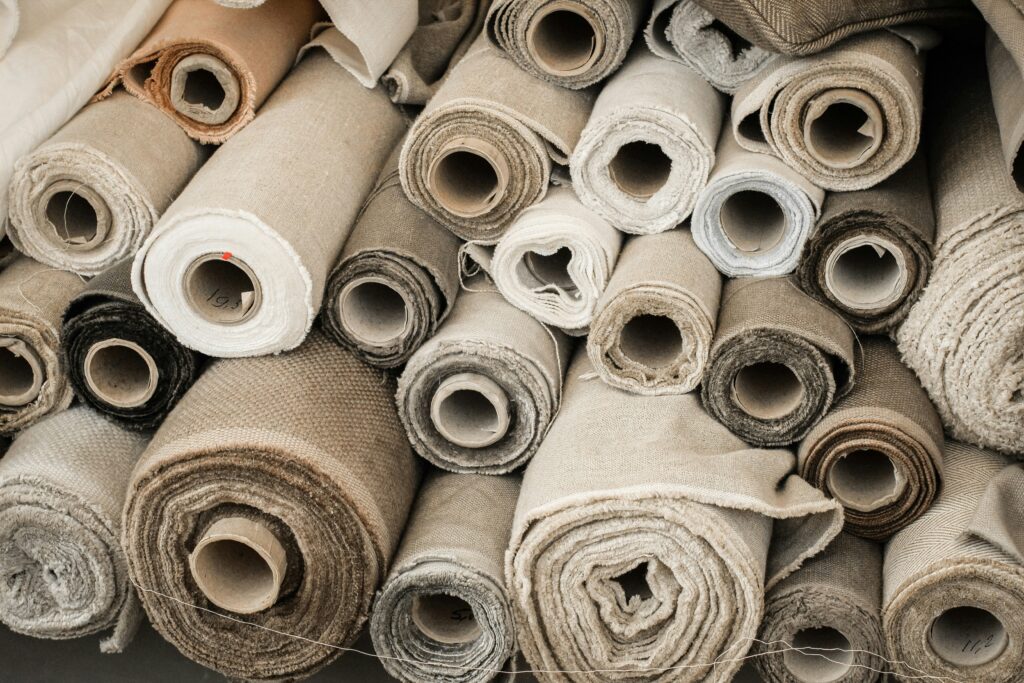
A reliable custom tactical gear supplier manages these procurement lead times in parallel with pre-production approvals so no time is wasted.
Phase 3: Mass Cutting, Specialized Sewing & Assembly (3–4 Weeks)
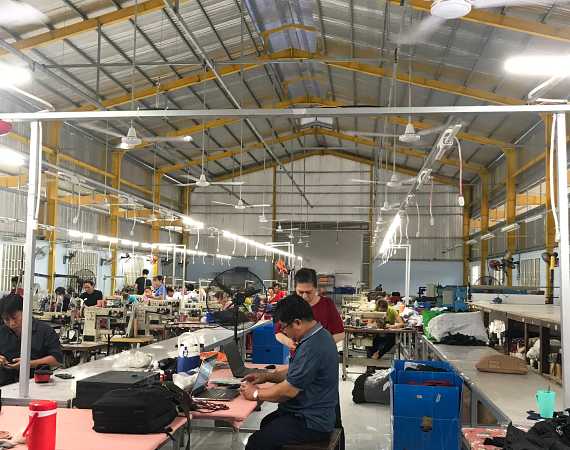
Once materials arrive at the factory floor, the physical production of 1,000 bags begins. However, technical bags cannot be sewn on standard garment lines. They require specialized machinery and master craftspeople.
Inside the Assembly Process of a Custom Tactical Gear Supplier:
-
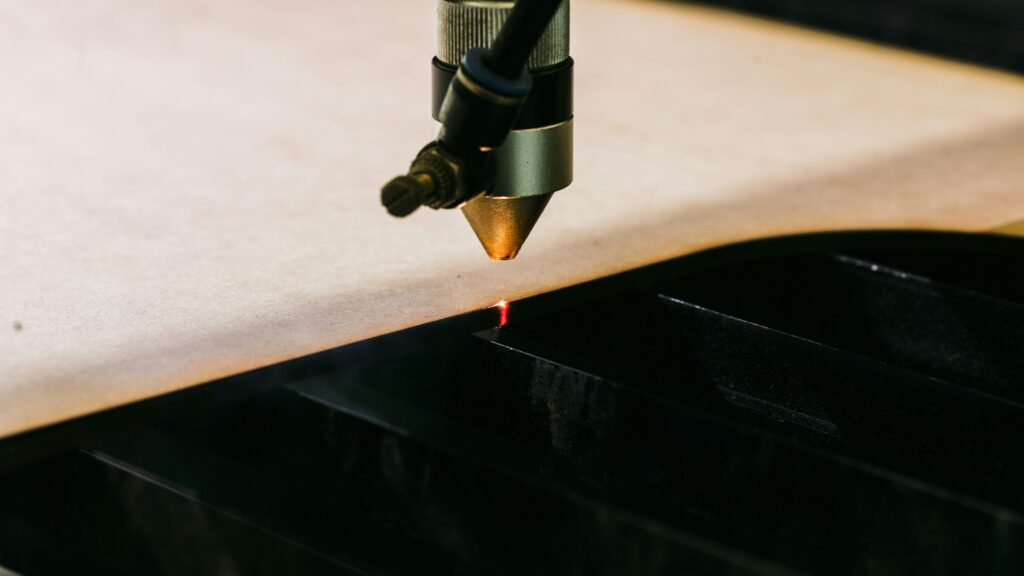
Precision Laser/Die Cutting: Cutting multi-layer technical laminates and EVA foam sheets with zero millimeter margin of error.
-
Sub-Assembly: Preparing internal organizers, MOLLE webbing grids, and padded laptop sleeves as separate modules.
-
Heavy-Duty Stitching: Utilizing automated bar-tack machines to reinforce stress points (handle attachments, shoulder strap bases) capable of supporting 20kg+ loads.
-
Final Assembly: Joining heavy exterior shells with complex internal linings.
Where Unchecked Factories Cut Corners:
When under time pressure, unmonitored factories frequently skip critical steps:
-
Reducing stitch density (stitching at 4 stitches per inch instead of the required 6–8 SPI).
-
Using standard thread instead of bonded nylon/polyester UV-resistant thread.
-
Skipping seam-sealing tape on waterproof compartments.

Phase 4: Quality Control, Packaging & Logistics (1–2 Weeks)
The final 1,000 units are off the assembly line, but the process isn’t over. Rushing products directly into shipping containers without thorough inspection is how brands end up with high return rates and destroyed reputations.
As a leading tactical backpack manufacturer Vietnam partner, we enforce rigorous Quality Control (QC) protocols based on international AQL 2.5 standards before any box is sealed.
How Mimicry Sai Gon De-Risks Your Production Timeline
Navigating complex production schedules and technical specifications requires more than just a sewing contractor—you need an experienced product development partner on the ground. At Mimicry Sai Gon, we serve as your trusted local extension in Vietnam, handling every nuance of bag development so you can focus on marketing and scaling your brand.
MIMICRY SAI GON
Your trusted local partner, collaborating with you on bags/backpack design,
product development, factory sourcing, quality control and cost optimization
Our Core Services:
-
Handbag and Backpack Design: Transforming initial concepts into production-ready tech packs with full BOM (Bill of Materials) management.
-
Product Development: Expert pattern engineering, rapid prototyping, and real-world stress testing to eliminate technical flaws.
-
Factory Sourcing: Matching your project with vetted facilities, leveraging our network as a premier tactical backpack manufacturer Vietnam authority to secure optimal capacity and MOQs.
Extended Services for Full Peace of Mind:
-
Brand Design & Packaging Consulting: Designing retail-ready, protective packaging tailored for international ecommerce dispatch.
-
Quality Control (QC): Dedicated inline monitoring and full AQL 2.5 final inspections to ensure every buckle, zipper, and seam meets military-grade specifications.
-
Fast Delivery: Streamlined export documentation and freight logistics to ensure on-time arrival at your overseas warehouses.
Case Study: Delivering 1,000 Flawless Modular Tech-Wear Packs

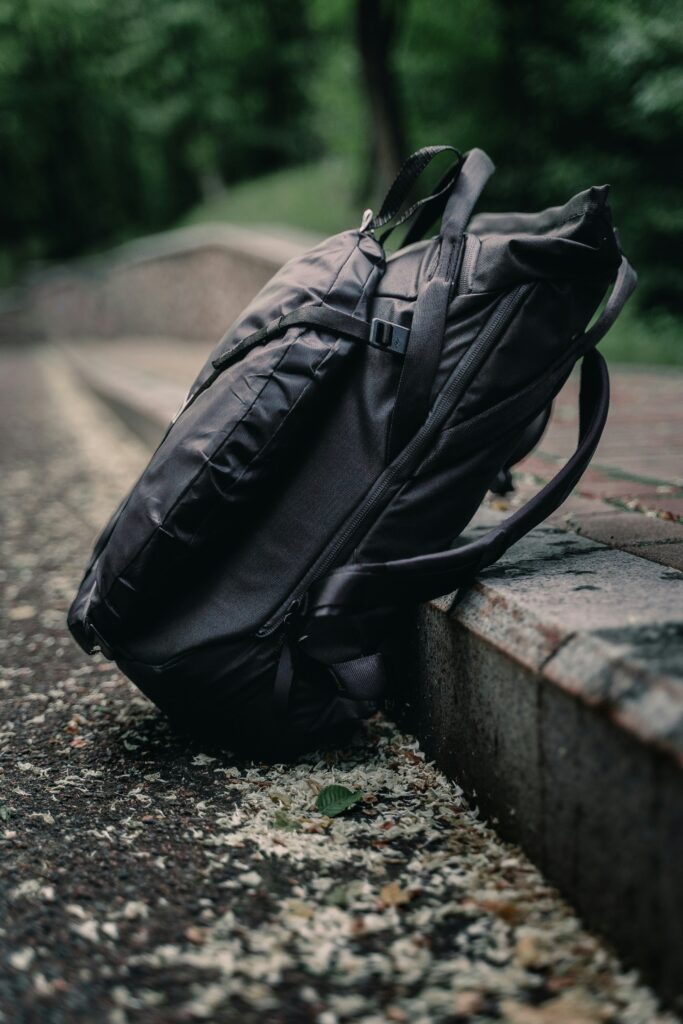
An emerging tech-wear brand based in Europe approached Mimicry Sai Gon with a critical challenge: they needed 1,000 complex modular backpacks produced for their upcoming crowdfunding fulfillment. Their previous supplier in another region had produced samples with crooked webbing alignment and weak shoulder strap stitching, pushing them behind schedule.
How Our Technical Team Solved It:
-
Pattern Re-Engineering (2 Weeks): Our product development team rebuilt their tech pack, correcting the shoulder strap ergonomic angle and re-calculating seam allowances for 1000D Cordura.
-
Streamlined Sourcing (4 Weeks): Leveraging our established network as a trusted custom tactical gear supplier, we secured certified materials from mills compliant with ISO quality management standards.
-
Inline QC & Execution (3 Weeks): We placed production in a specialized tactical backpack manufacturer Vietnam facility, stationing our own QC engineers directly on the line to audit bar-tack stitch density and load resistance.
The Result: All 1,000 units were delivered 5 days ahead of the client’s hard deadline with a 0.0% defect rate, allowing the brand to achieve a 100% positive backer review score.
Summary Checklist: How Brands Can Avoid Production Delays
If you want your 1,000-bag production run to finish on time and without technical errors, follow this checklist before issuing your purchase order:
-
Finalize Tech Packs Early: Never start material ordering with “draft” specifications.
-
Approve a Golden Sample: Hold an exact physical reference sample that the factory must match during mass production.
-
Factor in Material Lead Times: Account for fabric dyeing and custom trim production (4–6 weeks) before assembly even starts.
-
Partner with On-Ground Experts: Work with a team that conducts inline quality control rather than waiting for finished goods.
Partner with Mimicry Sai Gon for Uncompromising Quality
How long does it really take to make 1,000 bags? While the physical sewing might only take a few weeks, doing it right—with zero technical mistakes, certified materials, and flawless construction—requires a structured 10-to-16-week timeline managed by specialists.
Don’t gamble your brand’s reputation on unvetted factories or unrealistic promises. Partner with Mimicry Sai Gon to turn your technical bag concepts into market-ready realities.
👉 Ready to plan your next collection timeline with confidence?
Visit Mimicry Sai Gon today to consult with our product development experts and request a custom manufacturing roadmap.