

A backpack can look incredible and feature the most expensive waterproof fabrics on the market, but if it causes shoulder strain or lower back pain after 30 minutes of use, it is a failed product. For brands developing technical gear, outdoor equipment, or heavy-duty tactical carriers, mastering backpack ergonomics is non-negotiable.
Ergonomic bag design is the science of aligning the backpack’s structure with human anatomy. By optimizing weight distribution, designers can make a 15kg load feel manageable and prevent long-term physical fatigue. Here is the engineering behind designing a truly comfortable, high-performance backpack.
The Core Physics of Weight Distribution
The primary goal of ergonomic backpack design is to keep the load’s center of gravity as close to the wearer’s natural center of gravity as possible. According to guidelines supported by the American Chiropractic Association (ACA), a backpack should never pull the user backward or force them to lean aggressively forward.
To achieve this balance, custom bag developers focus on transferring the majority of the weight away from the shoulders and down to the hips—the body’s strongest structural foundation.
4 Key Components of an Ergonomic Backpack
Achieving optimal comfort requires a combination of structural rigidity, high-quality padding, and adjustable suspension systems.
1. The Harness System (Shoulder Straps)
Straight, flat shoulder straps are only suitable for lightweight daypacks. For heavy loads, the geometry of the strap is critical:
-
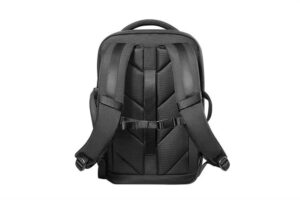
S-Curve vs. J-Curve: S-curved straps contour around the chest and armpits, preventing chafing and providing a better fit for a wider range of body types. J-curves are often used for narrower frames.
-
Foam Density: Professional manufacturers avoid cheap, easily compressible foams. Instead, high-density closed-cell foams, such as EVA (Ethylene-Vinyl Acetate) foam, are used to provide durable cushioning that won’t flatten out over time.
2. The Back Panel and Frame
A floppy bag pulls away from the body. To keep the weight stabilized, technical backpacks require a structured back panel.
-
Internal Frames: Using aluminum stays or High-Density Polyethylene (HDPE) frame sheets gives the bag a rigid spine. This structure transfers the load vertically down to the waist.
-
Ventilation Channels: Prolonged use generates heat. Ergonomic back panels utilize molded foam with deep air channels and spacer mesh to promote airflow and reduce sweat accumulation.
3. The Hip Belt (The Heavy Lifter)
For outdoor and tactical bags carrying over 10kg, the hip belt is the most critical ergonomic feature. A properly designed padded hip belt should wrap securely over the iliac crest (pelvic bones), absorbing up to 70% to 80% of the total backpack weight. (Designing gear for extreme conditions? Read our specific guide: [Insert Internal Link to Cluster 12: Outdoor & Trekking Backpack Development]).
4. Load Lifters and Sternum Straps
Micro-adjustments make a massive difference in long-term comfort.
-
Load Lifters: These small straps connect the top of the shoulder harness to the upper body of the pack. When tightened, they pull the upper weight of the bag closer to the torso, preventing the pack from sagging backward.
-
Sternum Straps: Positioned across the chest, these straps prevent the shoulder straps from sliding outward into the armpits, stabilizing the load during dynamic movements.
Ergonomics in the Prototyping Phase
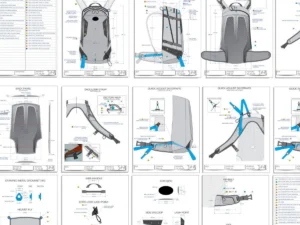
You cannot finalize ergonomic features on a 2D Tech Pack alone. The only way to ensure proper weight distribution is through rigorous physical testing during the sampling phase.
Factories must create a prototype, load it with dummy weights (e.g., 10kg to 20kg), and have testers of varying heights wear the bag. This real-world fitting reveals whether the load lifters are positioned at the correct 45-degree angle or if the bottom of the bag hits the wearer’s tailbone incorrectly.
(Learn more about how we test bags before mass production
Engineer Your Next Bag with Mimicry Saigon
Designing a comfortable, heavy-duty backpack requires an intricate understanding of materials, human anatomy, and advanced sewing techniques. If you are developing a technical pack and need a manufacturing partner who understands the science of load distribution, we are here to execute your vision.
At Mimicry Saigon, we specialize in transforming complex ergonomic requirements into mass-produced reality, ensuring your customers experience ultimate comfort in the field.
👉 Explore our comprehensive solutions: Professional Backpack & Bag Design and Development Services in Vietnam
[ Discuss Your Project With Our Design Team ]