

Launching your first collection in the technical bag, outdoor gear, or tech-wear segment is a thrill—and a high-stakes gamble. For emerging startups and established labels expanding into specialized gear, the biggest hurdle often isn’t design; it’s Minimum Order Quantities (MOQs) imposed by suppliers.
High MOQs force young brands to tie up capital in unsellable inventory. Worse yet, the fear of technical mistakes, wrong patterns, or substandard construction on a large batch keeps founders awake at night. When you are building functional gear—like carry-on travel packs compliant with IATA guidelines or weather-resistant tech-wear bags—a millimeter of error in stitch density or fabric lamination ruins the whole batch.
So, how do you negotiate workable MOQs without sacrificing technical precision and material quality?
As a leading tactical backpack manufacturer Vietnam brands trust, Mimicry Sai Gon shares proven B2B negotiation strategies and shows how partnering with the right product development expert eliminates production risks.
1. Understand Why Factories Set High MOQs
Before entering negotiations, you must understand the manufacturer’s perspective. Factories do not set high MOQs to frustrate brands. MOQs exist because:
-
Material Sourcing Limits: Technical fabrics like Cordura®, X-Pac, or custom-dyed recycled nylon require high minimum dye-lot orders from textile mills.
-
Setup and Tooling Costs: Setting up heavy-duty bar-tack machines, laser cutters, and custom foam molds for a military grade bag factory takes hours of downtime.
-
Skill & Labor Allocation: Sewing technical bags requires high-skilled artisans. Short runs disrupt assembly-line flow and lower factory efficiency.
When you negotiate, your goal isn’t just asking for a lower number—it’s de-risking the production process for both sides.
2. Proven Strategies to Negotiate MOQs for Your First Collection
Strategy A: Consolidate Materials Across Your Collection

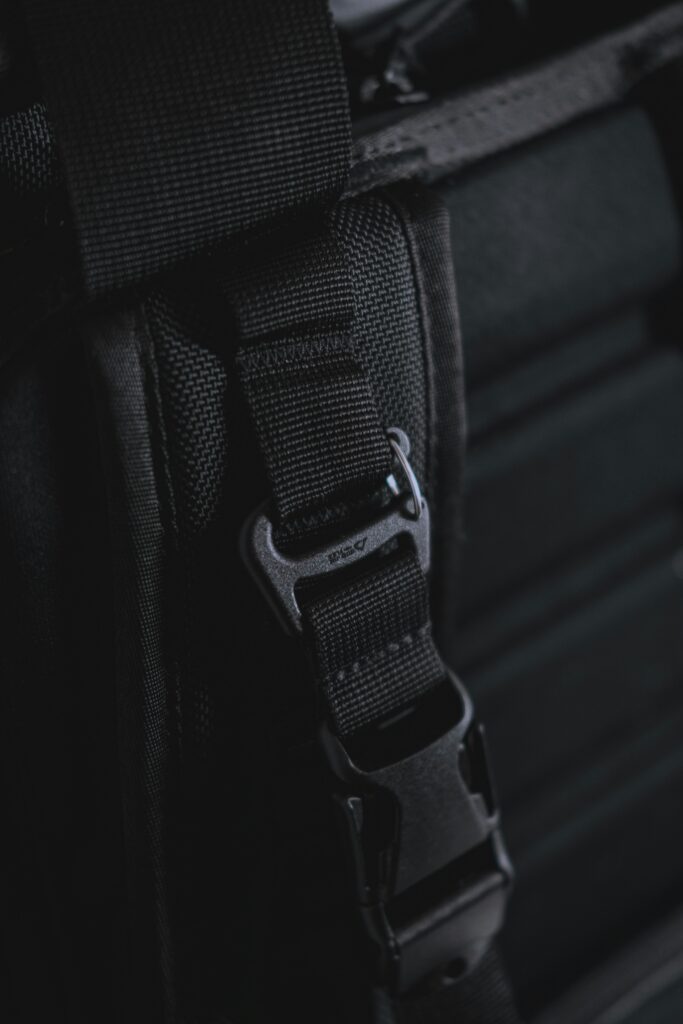
Instead of using four different fabrics for four different bags, select one core high-performance fabric (e.g., 500D Cordura or 420D Robic Nylon) across your entire launch line.
-
The Pitch: “We are ordering 500 units total across 3 SKUs, all using the same primary fabric and hardware.”
-
Why it works: The factory reaches the fabric mill’s raw material MOQ, making them willing to split the finished product output into smaller product batches.
Strategy B: Tiered Rollouts & Pre-Order Commitments
Propose a phased purchasing plan rather than a single lump-sum order.
-
The Pitch: “We will commit to 1,000 units over 12 months, starting with a initial test run of 250 units to validate technical execution.”
-
Why it works: Factories see a long-term client relationship (LTV) rather than a one-off small job.
Strategy C: Pay a Development Premium on Sample/Pilot Batches
Factories hate losing money on small runs. Offer to pay a 15–20% higher FOB price per unit for a lower initial batch size. Once sales validate the product and you scale up, the unit price normalizes.
3. The Real Danger: Lowering MOQs Shouldn’t Mean Sacrificing Quality
Negotiating a low MOQ is useless if the factory delivers flawed products. In the outdoor, travel, and tactical sectors, technical failure equals brand death.
Common technical pitfalls in first-run production include:
-
Inaccurate Pattern Grading: Ergonomic shoulder straps fail to distribute weight properly.
-
Weak Load-Bearing Seams: Inadequate bar-tacking leads to strap tearing under heavy loads.
-
Non-Compliant Sizing: Carry-on bags failing international airline standards set by IATA.
-
Subpar Hardware & Water Resistance: Unsealed seams or cheap zippers ruining waterproof ratings.
When brands push factories too hard on MOQs without technical oversight, factories cut corners—using junior sewers, skipping stress tests, or substituting cheaper trims.
This is why you don’t just need a factory; you need an expert product development partner.
4. How Mimicry Sai Gon De-Risks Your Production & MOQs
At Mimicry Sai Gon, we understand the anxieties of B2B clients across the US, Europe, Australia, Japan, and Korea. You are building complex technical carry gear, not just simple canvas totes.
We bridge the gap between your design vision and the factory floor as your trusted partner in Vietnam.
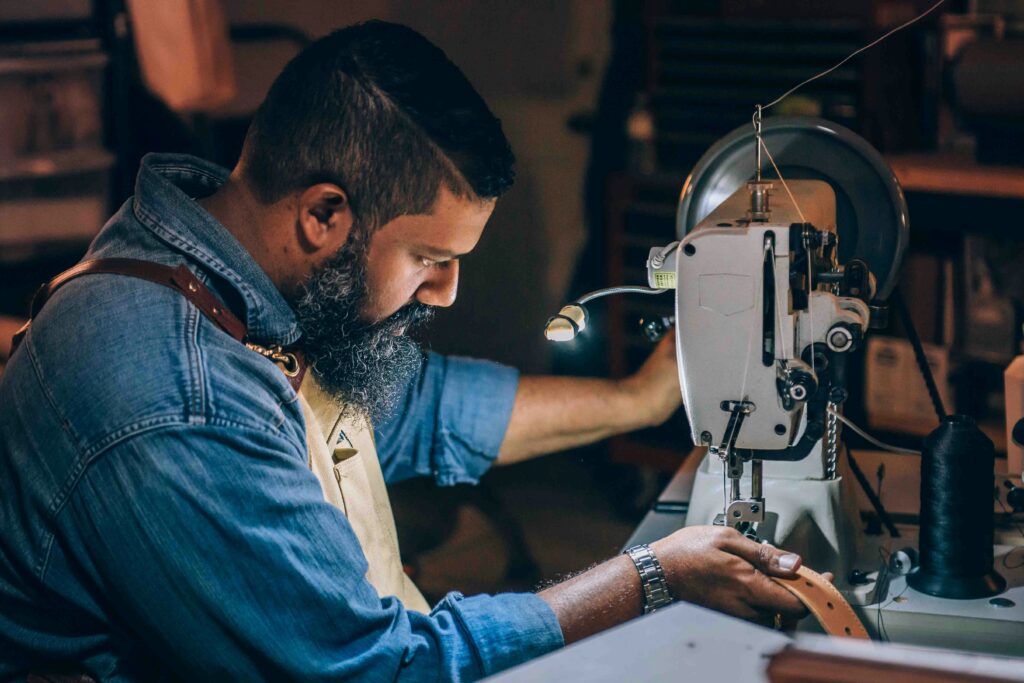
MIMICRY SAI GON: CORE CAPABILITIES
-
Design & Techpacks: Transforming tech-wear concepts into production-ready blueprints.
-
Product Development: Precise pattern engineering, physical prototyping, and stress testing.
-
Direct Factory Sourcing: Leveraging an audited network—including top-tier military-grade bag specialists—to secure flexible MOQs.
EXTENDED SERVICES FOR ZERO ERRORS
-
Packaging Consulting: Crafting functional, retail-ready unboxing experiences.
-
Rigorous QC: Inline checks and AQL 2.5 final inspections to ensure every seam and buckle meets strict specs.
-
Fast Delivery: Streamlined export logistics to get your collection to market on time.
5. Case Study Focus: Technical & Tactical Backpack Manufacturing in Vietnam
Vietnam has solidified its position as the global hub for high-end technical gear. As a premier tactical backpack manufacturer Vietnam partner, Mimicry Sai Gon knows how to handle heavy-duty materials, MOLLE webbings, waterproof laminates, and complex internal organizers.
When a US-based travel and outdoor startup approached us to build a multi-functional tactical carry-on, they faced a standard factory MOQ of 1,000 units per colorway—a dealbreaker for their budget.
How Mimicry Sai Gon Solved It:
-
Material Standardization: We streamlined their spec sheet to use standardized military-spec webbing and high-tensile hardware available locally in Vietnam.
-
Factory Alignment: We placed the production with a specialized military grade bag factory in our network that accepted a 300-unit pilot run because we handled all pre-production pattern engineering in-house.
-
Zero Defects Execution: Our local QC team performed 100% inline inspections on load-bearing stress points.
The result? The brand launched on time, stayed within budget, and achieved a 0% return rate due to technical defects.
6. Checklist: What to Prepare Before Negotiating MOQs
To show suppliers you are a professional partner worth accommodating, prepare the following before starting negotiations:
-
Complete Tech Pack: Detailed BOM (Bill of Materials), measurements, seam allowances, and hardware specs.
-
Clear Target FOB & Retail Price: Demonstrates financial feasibility.
-
Compliance Requirements: Specifications for waterproofing, REACH standards, or IATA carry-on dimensions.
-
Target Launch Schedule: Realistic timelines accounting for sampling, material lead times, and shipping.


Eliminate Technical Anxiety with Mimicry Sai Gon
Negotiating MOQs shouldn’t mean gambling with your product’s structural integrity. By partnering with a expert team that speaks both English/B2B business language and factory-floor technical Vietnamese, you eliminate guesswork, prevent costly mistakes, and optimize production costs.
Whether you are launching an ergonomic travel bag, a modular tech-wear pack, or a rugged outdoor collection, Mimicry Sai Gon is your end-to-end partner in Vietnam.
👉 Ready to engineer your first collection with confidence? Visit Mimicry Sai Gon today to consult with our product development experts and request a tailored manufacturing roadmap.