

For outdoor brands, travel gear labels, and technical tech-wear startups across the US, Europe, Australia, Japan, and Korea, navigating Minimum Order Quantity (MOQ) requirements in Vietnam can feel like a high-stakes balancing act.
When transitioning from initial sketches to production-ready techpacks, a miscalculated MOQ strategy or misunderstanding factory thresholds can jeopardize your capital allocation, delay market entry, or lead to costly manufacturing compromises. Product managers often fear getting the sample wrong, incurring hidden surcharges, or being forced into excessive inventory commitments for unproven designs.
As an expert product engineering partner and trusted custom backpack factory specialist in Vietnam, MIMICRY SAI GON breaks down the exact mechanics of factory MOQs, material-level thresholds, and strategic negotiation tactics to ensure your technical bag line scales efficiently without sacrificing quality or structural integrity.
What Drives MOQ in Vietnam’s Soft Goods Manufacturing?
A common misconception among emerging gear labels is that factory MOQs are arbitrary numbers set to exclude smaller brands. In reality, soft-goods geometry, specialized machinery setup, and material supply chain dynamics dictate these thresholds.
When partnering with a premier custom backpack factory, understanding the distinction between Factory MOQ and Material MOQ is essential during the techpack phase:
-
Factory Assembly MOQ: The minimum unit run required by an assembly facility to retool production lines, calibrate automated bartack machines, train operators on complex construction, and maintain labor efficiency.
-
Material & Hardware MOQ: The minimum yield required by textile mills and hardware suppliers to weave custom fabric densities, run specialized dye lots, or mold heavy-duty hardware.

Total Minimum Order Threshold = Max(Assembly Line Capacity, Mill Fabric Dye-Lot Yield)
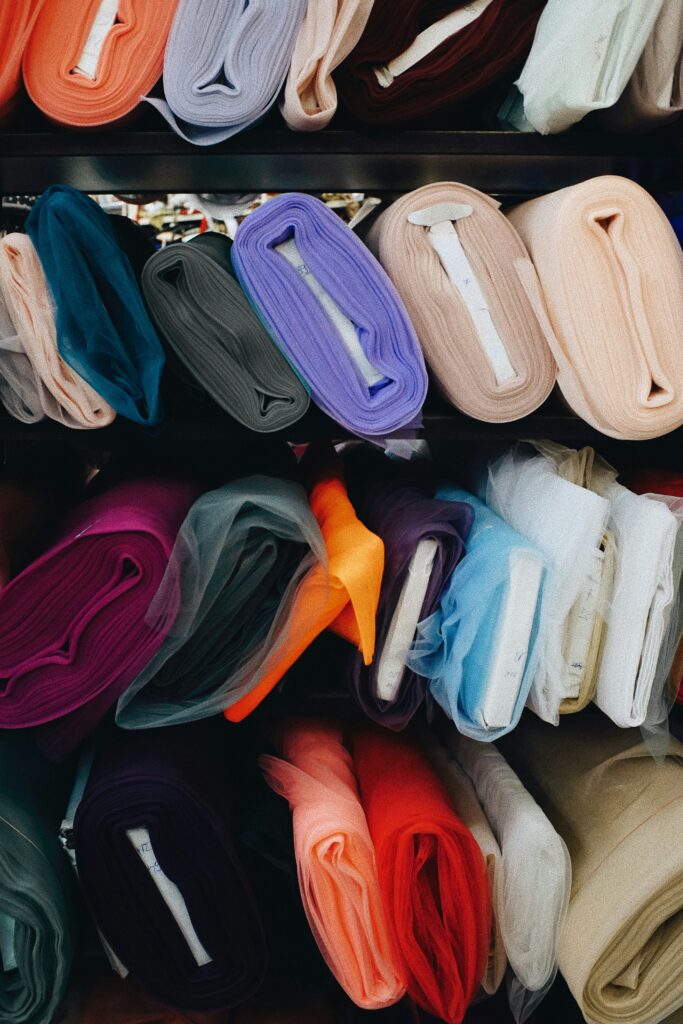
Therefore, even if an assembly facility agrees to produce 300 units, a specialized fabric mill may require a minimum dye lot equivalent to 1,000 units. Balancing these technical variables during techpack development prevents expensive mid-production friction.
The Hidden Multipliers: How Technical Specifications Impact MOQ
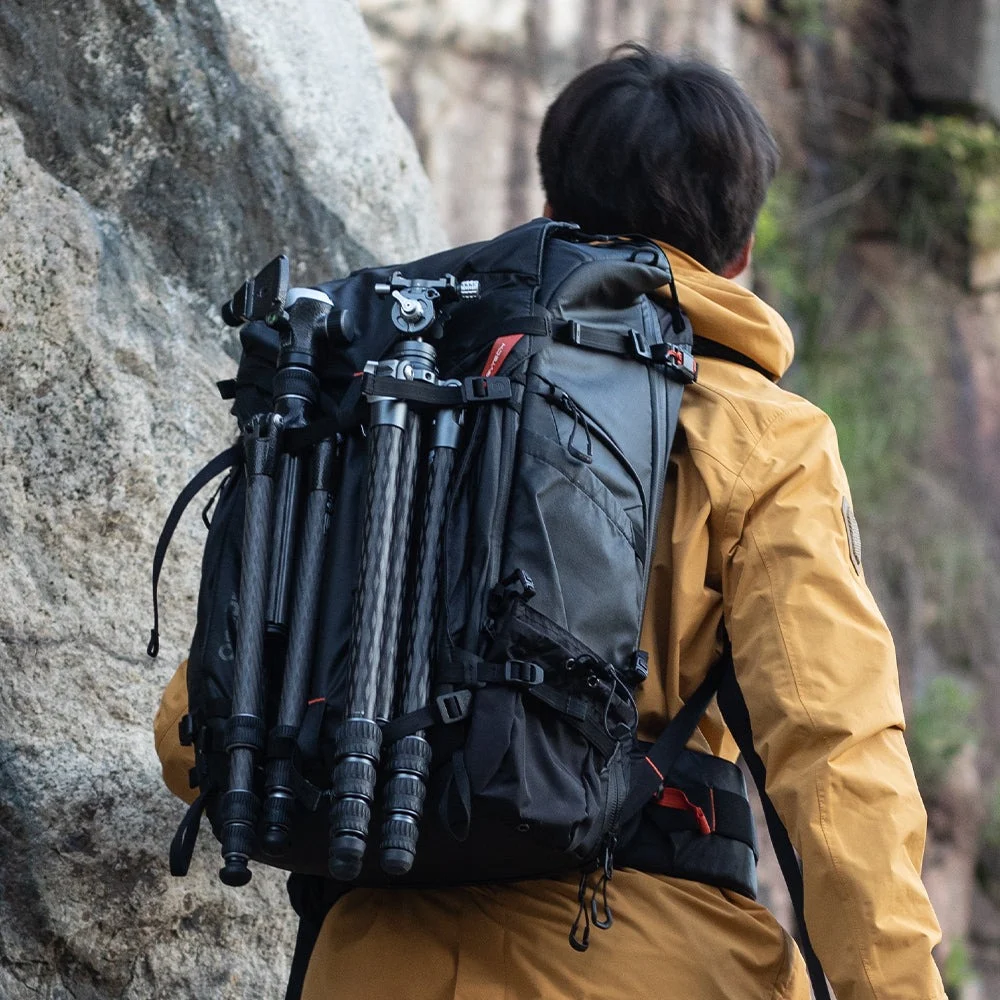
Technical travel packs, tactical gear, and tech-wear bags require significantly more complex bill of materials (BOM) specifications than standard lifestyle totes. Every specialized component added to a techpack introduces its own supply chain threshold.
1. Specialized Fabrics & Custom Dye Lots
Specifying high-tenacity 500D Cordura or custom-dyed Ripstop Nylon requires mills to run dedicated dyeing vessels. If your design specifies a custom Pantone shade rather than stock mill colors, the fabric MOQ can instantly jump from 300 meters to 3,000 meters.
2. Specialized Hardware & Molded Components
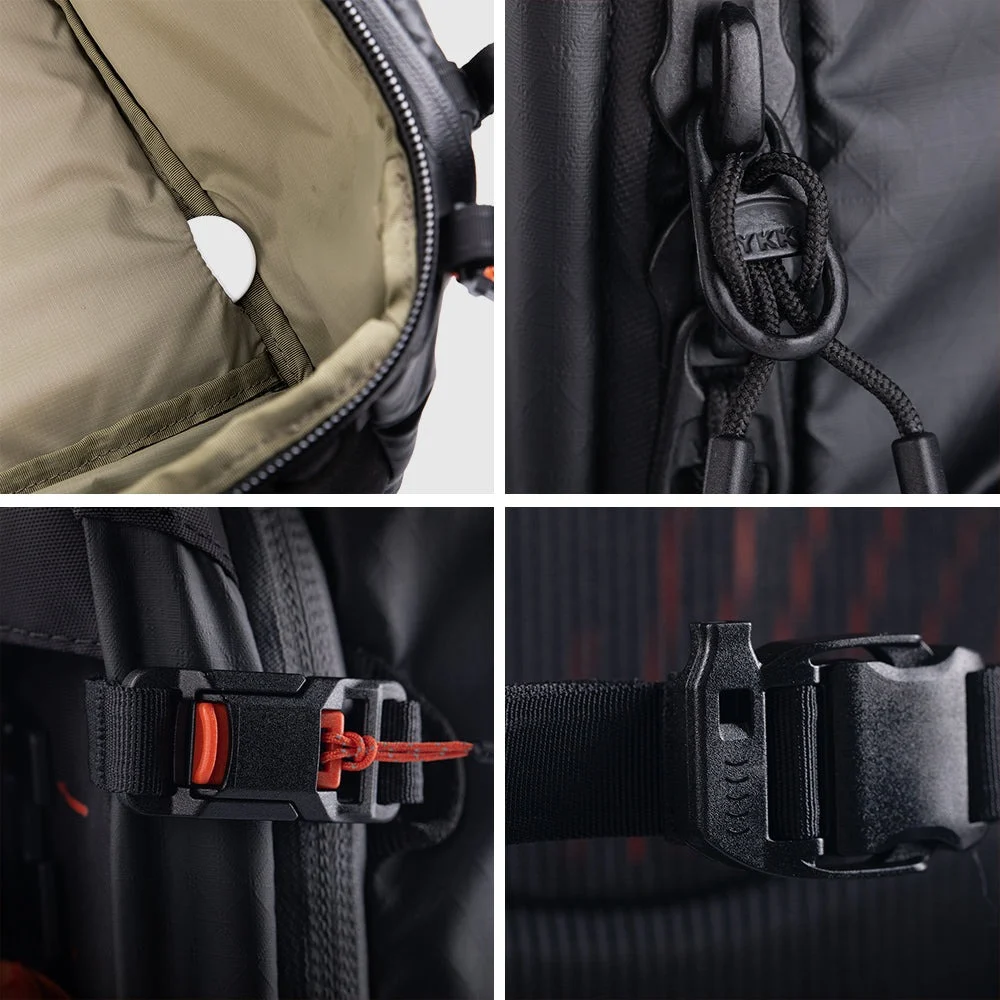
Technical packs relying on specialized magnetic buckles, heavy-duty molded YKK zippers, or custom-extruded aluminum stays must comply with component-level supplier MOQs. Sourcing specialized hardware through an established military grade bag factory network allows brands to leverage existing supply chains and meet airline overhead requirements, such as those recommended by IATA.
3. Structural Reinforcements & High-Density Foams
Integrating dual-density EVA foam back panels, removable HDPE frame sheets, or laser-cut MOLLE panels requires specialized die-cutting tooling. If custom molds are required, factories set higher production thresholds to amortize initial setup costs.
Technical MOQ Comparison: Standard vs. Technical Gear
To illustrate how component specifications directly influence factory minimums, examine this technical breakdown:
| Technical Component | Standard Lifestyle Daypack | Technical/Tactical Pack | Supply Chain Impact |
|---|---|---|---|
| Primary Outer Fabric | Stock 600D Polyester | Custom 500D–1000D Nylon | High Mill MOQ for custom dye lots |
| Internal Frame Support | None (Soft Structure) | HDPE Sheet + Aluminum Stays | Custom tooling / Component MOQ |
| Hardware & Buckles | Standard Plastic Buckles | Heavy-Duty / Military Spec | High supplier minimums |
| Zipper Specifications | #5 Nylon Coil Zipper | #8 / #10 YKK Molded Tooth | Higher minimum meterage per color |
| Stitching & Bartacks | Standard Seam Construction | Reinforced Box-X & High Bartack Density | Increases machine setup time |
| Typical Factory MOQ | 200 – 300 Pcs | 500 – 1,000 Pcs | Driven by material yields |
4 Technical Strategies to Lower MOQs Without Sacrificing Quality
If your brand is launching an innovative tech-wear line or testing a new market segment, you do not need to over-commit your capital. Our technical engineers utilize four strategic approaches to reduce order minimums during the techpack phase:
1. Consolidate Materials Across SKU Families
Instead of using different fabric weights or custom colors for every SKU, standardize your primary shell material (such as 500D Matte Black Nylon) across multiple bag styles. By pooling total meterage across a daypack, a sling bag, and a travel duffel, you easily meet the mill’s fabric MOQ while maintaining lower per-SKU production runs.
2. Leverage Supplier Stock Colorways
Top-tier textile mills maintain inventory of core technical colors (such as Tactical Black, Coyote Brown, and Ranger Green). Specifying verified stock colorways in your techpack eliminates mill dye-lot minimums, allowing your assembly facility to run smaller production batches.
3. Modularize Sub-Panels & Hardware
Design modular attachment systems using standardized webbing widths (25mm or 38mm) and universal buckle sizes. Consolidating hardware specifications reduces the number of unique BOM items, streamlining factory purchasing.
4. Negotiate Small-Order Surcharges (CMT Adjustments)
When testing a new technical prototype line, propose paying a Cut-Make-Trim (CMT) surcharge of 15% to 25% for a smaller initial run (e.g., 200 units instead of 500). This covers the factory’s line-setup costs while keeping your total inventory risk low.
How MIMICRY SAI GON Eliminates Factory & Techpack Errors
Navigating factory negotiations, verifying material certifications, and translating raw sketches into flawless technical packs requires a deep local footprint. As a premier custom backpack factory development partner in Vietnam, MIMICRY SAI GON bridges the gap between international design teams and manufacturing floors.
MIMICRY SAI GON — Your trusted local partner
Collaborating with you on bags/backpack design, product development, factory sourcing, quality control, and cost optimization.
Are you looking to optimize costs, shorten product development time, and still ensure quality?
Mimicry Saigon is more than just a supplier; we are your strategic product development partner in Vietnam.
With our core strengths in transparent design and supply chain management, we specialize in transforming your handbag and backpack ideas into high-quality, cost-effective, and market-ready products. In addition, we offer comprehensive services from concept development and design to direct factory sourcing (eliminating intermediaries), rigorous quality control, and fast delivery.
Contact us today via MIMICRY SAI GON for a free consultation on how we can realize your vision and leverage Vietnam’s leading manufacturing capabilities.
Our Full-Spectrum Services:
-
Core Services:
-
Handbag and backpack design
-
Product development & Techpack engineering
-
Direct factory sourcing
-
-
Extended Services:
-
Brand design & identity
-
Technical packaging design and consulting
-
Rigorous quality control (Inline and pre-shipment AQL inspections)
-
Fast delivery and supply chain management
-
Whether you require custom fabric sourcing for an innovative outdoor line or high-volume production with an established military grade bag factory, our engineering team protects your design integrity from the first sketch to final container delivery.
Conclusion: Scale Your Bag Line with Precision
Understanding MOQ mechanics in Vietnam isn’t about accepting restrictive factory terms—it is about strategically engineering your product specifications, BOM structures, and supply chain choices from the very beginning. By optimizing material usage, leveraging stock dye lots, and applying rigorous techpack standards, technical gear brands can expand their product lines confidently without tying up excessive capital in unsold inventory.
Moreover, with an experienced development partner in Vietnam managing your factory relationships, you can eliminate technical missteps, streamline production runs, and bring market-ready gear to life seamlessly.
Ready to translate your sketches into production-ready techpacks with optimal MOQs? Get in touch with our product development team at MIMICRY SAI GON today to collaborate with our manufacturing experts.