

Transforming a 2D sketch into a durable bag is a high-risk endeavor. A single overlooked stress point can lead to seam failure, resulting in costly product recalls and severe damage to brand reputation.
For technical backpacks and EDC gear, structural reinforcement is a critical requirement, not an option. Every technical specification sheet (Techpack) must explicitly define the placement of bar-tacks and X-box stitching before mass production begins. Partnering with a professional product development expert is the key to eliminating sampling errors and achieving long-term commercial success.
1. Why Outdoor & Tech-Wear Bags Fail: Missing Specs in Techpacks
Ordinarily, a 2D drawing or 3D render rarely shows internal structural mechanics. Sending raw sketches directly to non-specialized factories creates major load-bearing issues once real weight is packed into the bag:
-
Torn Shoulder Straps: Heavy contents pull directly against unreinforced seams, causing raw fabrics to rip away completely from the main body.
-
MOLLE System Shearing: Strong peeling forces generated by attached accessories easily slice thin straight stitches directly through lightweight main fabrics.
-
Compression Blowouts: Fully packed bags create high lateral tension that rips raw seams open during heavy transport.
Furthermore, a professional Techpack must map out every reinforcement zone in detail. Specifying exact stitch density, thread type, and backing materials protects products during extreme field conditions.
2. Structural Stitching Decoded: Bar-Tacks vs. X-Box Stitching
Understanding stitch mechanics helps any Nylon backpack factory build gear that withstands heavy operational strain.
A. What is Bar-Tack Stitching?
A bar-tack consists of a dense series of zig-zag stitches sewn perpendicular to a main seam. Concentrating high tensile strength into a tight, localized footprint makes this pattern ideal for high-stress narrow zones. Standard engineering specifications typically require between 28 and 42 stitches per placement. Apply this technique on narrow webbing loops, seam endpoints, zipper terminals, and pocket corners.
B. What is X-Box Stitching?
Boxed perimeters with crossed diagonal inner lines define the structural layout of an X-Box stitch. Multi-directional pulling forces spread evenly across a broader surface area to maximize load distribution. Edge tension stays secure via the perimeter box, while internal material movement is eliminated by the center “X”. Heavy-duty grab handles, wide shoulder straps, and flat load-bearing anchor plates benefit most from this pattern.

3. Reinforcement Placement: Techpack Rules Across Critical Zones
A precise Techpack serves as the master blueprint for factory assembly line workers. Below is how engineers map structural stitches across high-stress zones:
Zone 1: Shoulder Strap Anchors
For shoulder strap anchors, engineers specify X-Box stitching reinforced with Hypalon or internal webbing backing. Because vertical pull combines with rotational force on shoulder straps, spreading the load effectively prevents fabric tearing.
Zone 2: MOLLE Systems & Daisy Chains
Spacing vertical bar-tacks precisely every 1.5 inches along nylon webbing ensures maximum structural integrity for MOLLE systems. As a result, weight gets carried independently by individual loops, isolating tension to specific sections.
Zone 3: Top Grab Handles
An X-Box base paired with a top-edge bar-tack creates the ideal dual-stitch combination for top handles. Sudden upward jerks occur frequently during daily use; thus, this double reinforcement absorbs kinetic impact smoothly.
Zone 4: Zipper Ends & Stress Points
Positioning miniature bar-tacks directly at zipper stops and pocket openings protects high-wear endpoints. In fact, quality hardware like YKK Fastening Products paired with precise bar-tacks significantly extends product lifespan.
4. Material Considerations: Canvas vs. Technical Nylon
Reinforcement techniques must adapt to your chosen fabric. Specifically, methods designed for heavy canvas can damage lightweight technical nylon.
Working with Heavy Canvas
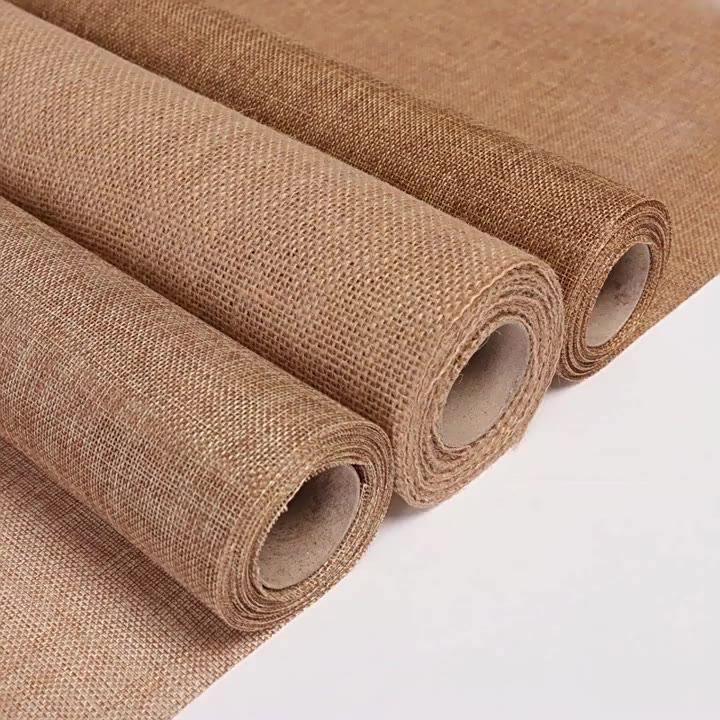
For any leading Canvas backpack manufacturer, heavy cotton canvas inherently demands longer stitch lengths. For instance, dense bar-tacks on thick canvas can act like perforations and weaken natural fibers. To prevent this, engineering standards specify wider stitch spacing alongside internal canvas backings for extra structural stability.
Engineering Technical Nylon
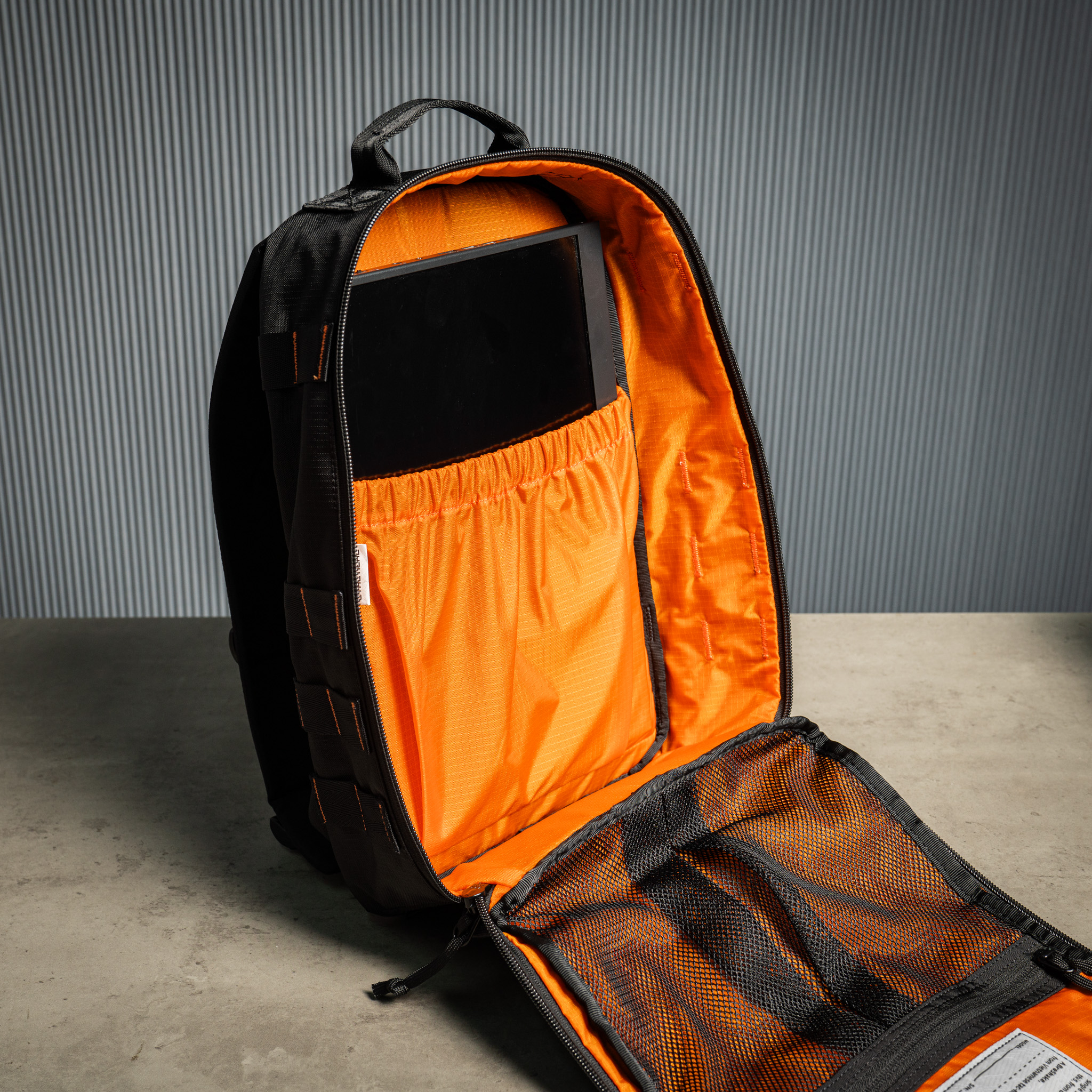
In contrast, inside a qualified Nylon backpack factory, high-tenacity synthetic fabrics like CORDURA® are handled differently. Technical nylons require precise needle sizes such as #14/90 to prevent thread puckering. Additionally, bonded nylon thread is utilized to prevent friction heat from melting synthetic fibers during high-speed industrial stitching.
5. Partnering with Mimicry Saigon: Strategic Product Development Partner
Are you looking to optimize costs, shorten product development time, and still ensure quality?
Mimicry Saigon is more than just a supplier; indeed, this experienced team acts as a strategic product development partner in Vietnam.
With core strengths in transparent design and supply chain management, Mimicry Saigon specializes in transforming handbag and briefcase ideas into high-quality, cost-effective, and market-ready products. Specifically, comprehensive services range from concept development and design to direct factory sourcing (eliminating intermediaries), rigorous quality control, and fast delivery.
Contact Mimicry Saigon today for a free consultation on realizing design visions while leveraging Vietnam’s leading manufacturing capabilities.
Primary Services
Clients gain access to bespoke handbag and backpack design, end-to-end product development management, and direct factory sourcing with zero middleman markups.
Extended Services
Brand identity development, specialized packaging design, on-site quality assurance under strict AQL standards, and fast-track shipping solutions are fully integrated to support global distribution.
6. How We Eliminate Manufacturing Errors for B2B Clients
A structured development workflow protects financial investments from factory mistakes at every stage of production::
In summary, maintaining strict technical control based on extensive experience as a Canvas backpack manufacturer ensures zero-defect production runs for outdoor, travel, and tech-wear brands worldwide.
Technical bag manufacturing requires deep knowledge of materials, thread tension, and structural mechanics. Ultimately, working with experienced development partners helps launch faster, reduce expensive sampling costs, and ensure long-lasting build quality for your international brand.
Feel free to contact Mimicry Saigon today to bring any technical product vision to life with Vietnam’s top manufacturing capabilities!