
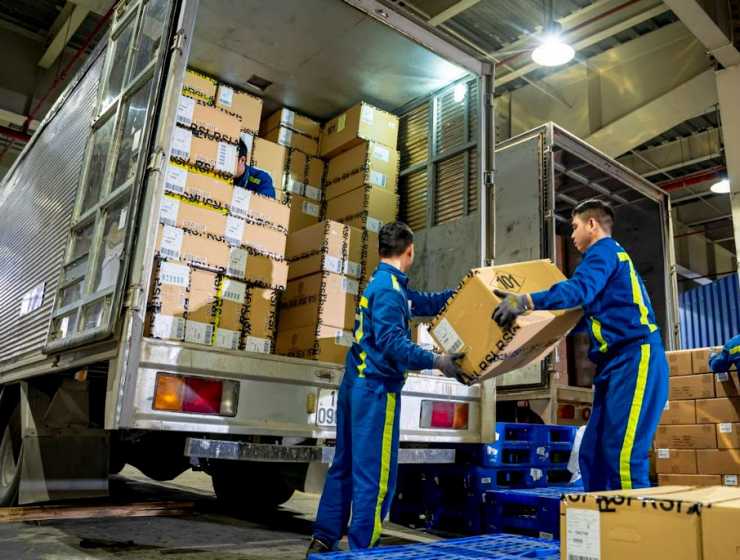
Transforming a 2D bag design into a commercially viable product is a major hurdle for international brands, often leading to high prototype failure rates. Early technical errors not only waste materials but also push production costs far beyond budget.
Design for Manufacturability (DFM) is the key bridge connecting creative vision with factory capability. Implementing DFM optimizes pattern structures prior to mass production, safeguarding profit margins, eliminating costly sampling iterations, and ensuring stringent quality standards.
Partnering with an experienced R&D partner enables businesses to standardize DFM protocols from day one, eliminating operational bottlenecks and confidently bringing high-quality products to market at optimized unit costs.
1. Why Unoptimized Bag Designs Fail on the Factory Floor
Raw sketches often prioritize visual aesthetics over structural practicality. In addition, sending unrefined drawings directly to assembly lines creates severe operational friction once real weight gets packed into gear:
-
Excessive Fabric Waste: Complex panel layouts prevent efficient nesting on cutting tables. Consequently, material consumption spikes, raising raw material expenses per unit.
-
Complex Sewing Sequences: Intricate pocket arrangements demand slow manual stitching. Hence, factory labor hours increase dramatically, driving up total FOB prices.
-
Structural Failure Risks: Unreinforced stress points tear easily under heavy field loads. Therefore, products fail quality tests, leading to expensive product recalls.
Furthermore, working alongside a specialized Tactical backpack manufacturer Vietnam eliminates these operational pitfalls. Indeed, implementing DFM standards early aligns creative design directly with factory capabilities.
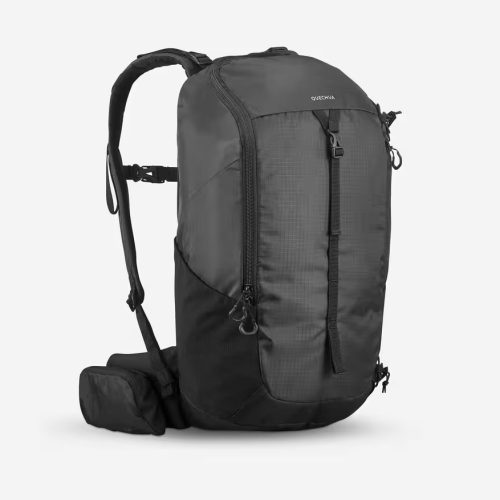
2. Core DFM Strategies to Lower Bag Manufacturing Costs
Optimizing a bag design does not mean sacrificing aesthetic appeal or product performance. Thus, applying smart engineering adjustments reduces production expenses effectively:
A. Streamlining Pattern Nesting Yields
Fabric usually accounts for up to 60% of total product cost. Specifically, straightening complex curved panels allows cutting machines to fit more pattern pieces onto each fabric roll. As a result, brands reduce raw material waste from 25% down to under 10% easily.
B. Standardizing Hardware and Webbing Specs
Using too many different zipper sizes or buckle types inflates Minimum Order Quantities (MOQs). Moreover, consolidating hardware to standard dimensions lowers procurement costs significantly. In fact, using uniform 25mm webbing across internal straps and external MOLLE systems cuts material sourcing complexity.
C. Simplifying Assembly Construction Sequences
Every extra seam adds labor time to factory assembly lines. For instance, replacing multi-panel exterior pockets with integrated fold-over compartments speeds up sewing speeds. Consequently, factories produce more units per hour, directly lowering unit labor charges.
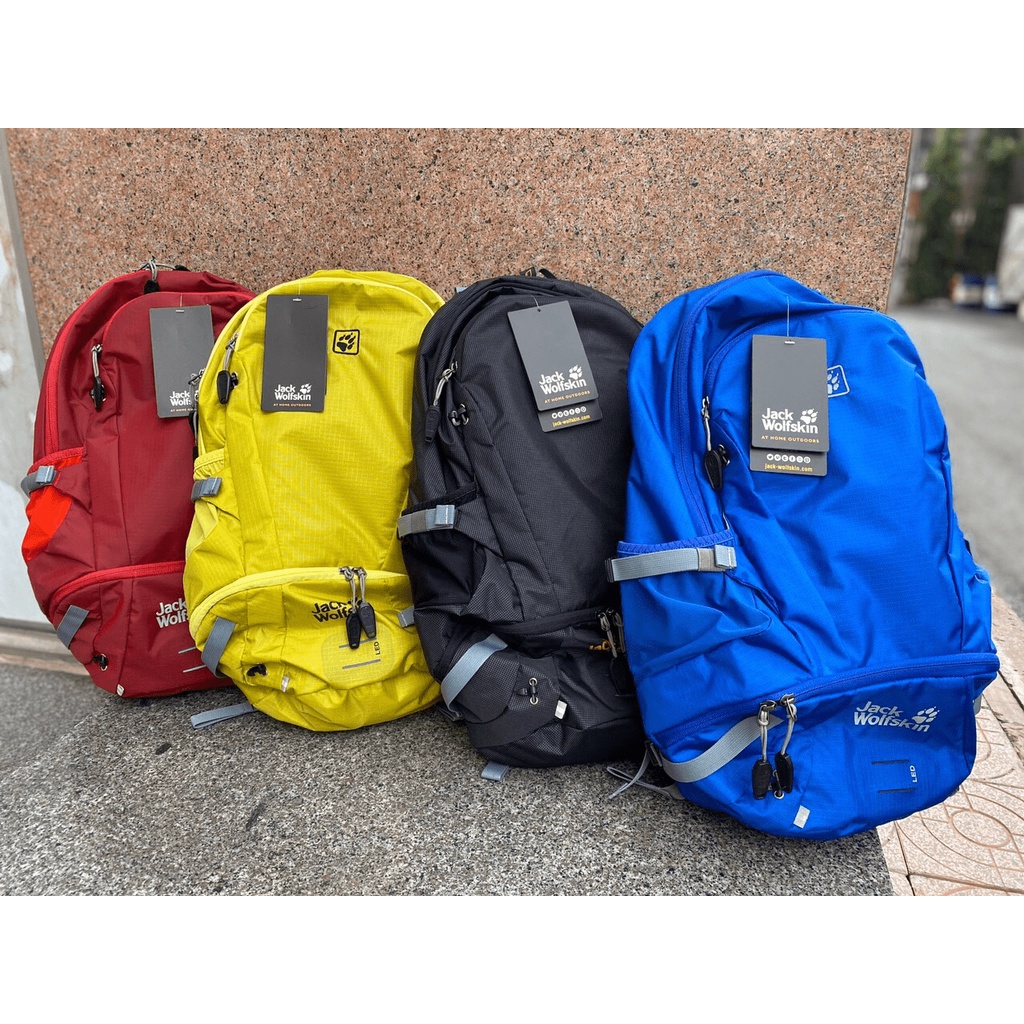
3. Structural Specs Outdoor and Tech-Wear Brands Cannot Omit
High-performance backpacks, travel bags, and technical packs endure extreme operational environments. As a result, omitting critical structural engineering specs causes immediate field failures:
Material Selection & Performance Specs
Selecting high-tenacity nylon like CORDURA® requires matching thread weights and needle sizes. For example, using bonded nylon thread prevents friction heat from melting synthetic fibers during high-speed industrial sewing.
Precise Stress Point Mapping
Heavy-duty backpacks require localized load-bearing reinforcements. Therefore, Techpacks must specify exact bar-tack densities or X-box stitching patterns across shoulder strap anchors, grab handles, and daisy chains.
Chemical Safety Compliance
Global shipments to North America, Europe, Australia, Japan, or Korea must satisfy strict environmental standards. Specifically, raw materials used inside a Military grade bag factory must comply fully with international regulations such as EU REACH Regulations to ensure chemical safety.
4. How DFM Precision Accelerates Sourcing in Vietnam
Vietnam has established itself as a premier manufacturing hub for technical bags and outdoor equipment. In fact, navigating local supply chains successfully depends on presenting factory-ready documentation.
Presenting a DFM-optimized Techpack simplifies factory negotiations. When sample makers receive clear technical instructions, they calculate exact labor hours and material consumption without adding high risk margins. Consequently, brands secure accurate, competitive pricing while accelerating initial prototype approvals.
5. MIMICRY SAIGON — Your Trusted Local Partner
Are you looking to optimize costs, shorten product development time, and still ensure quality?
MIMICRY SAI GON — Your trusted local partner, collaborating with you on bags/backpack design, product development, factory sourcing, quality control and cost optimization.
Mimicry Saigon is more than just a supplier; indeed, we act as your strategic product development partner in Vietnam. With core strengths in transparent design and supply chain management, we specialize in transforming your handbag, briefcase, and technical backpack ideas into high-quality, cost-effective, and market-ready products. Specifically, comprehensive services range from concept development and design to direct factory sourcing (eliminating intermediaries), rigorous quality control, and fast delivery.
Our Main Services
-
Handbag and backpack design
-
Product development
-
Factory sourcing
Extended Services
-
Brand design
-
Packaging design and consulting
-
Quality control
-
Fast delivery
6. Structured Workflow: From Concept Sketch to Mass Production
A disciplined development workflow eliminates technical errors and protects brand equity across every phase:

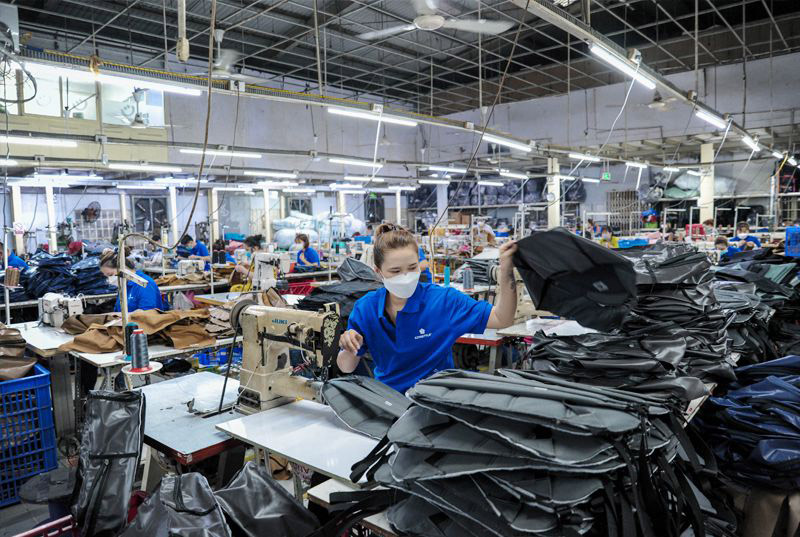
In summary, combining technical DFM optimization with direct factory sourcing empowers international brands to scale efficiently. Thus, maintaining control over technical details delivers durable, retail-ready products at optimal unit costs.
Eliminate Technical Errors—Optimize Your Bag Design Today
Building technical gear requires deep knowledge of pattern drafting, material properties, and factory assembly workflows. Ultimately, partnering with an experienced product development team reduces expensive sampling rounds, protects profit margins, and speeds up time-to-market.
Feel free to contact Mimicry Saigon today to optimize your technical bag designs and leverage Vietnam’s leading manufacturing capabilities!